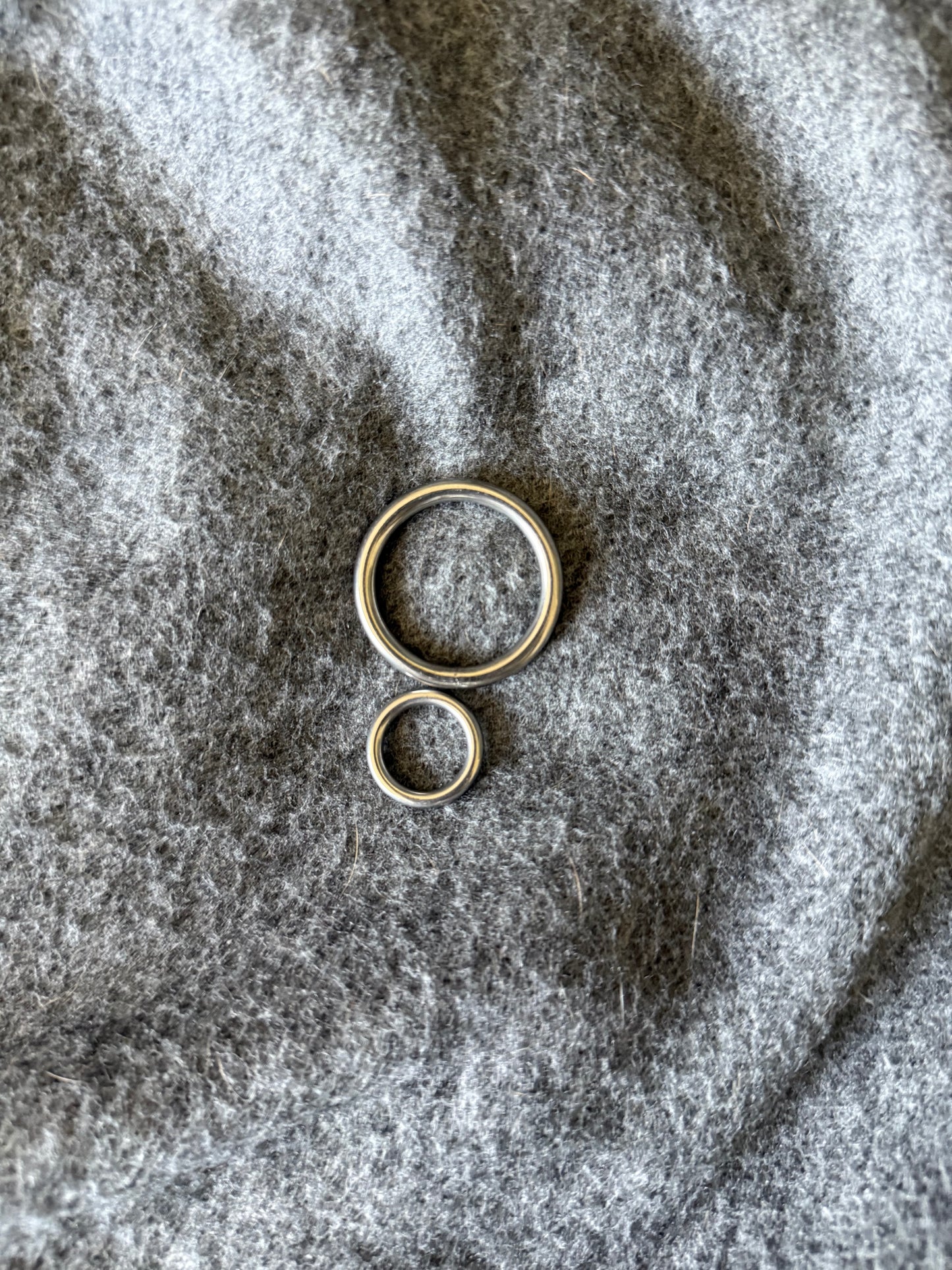
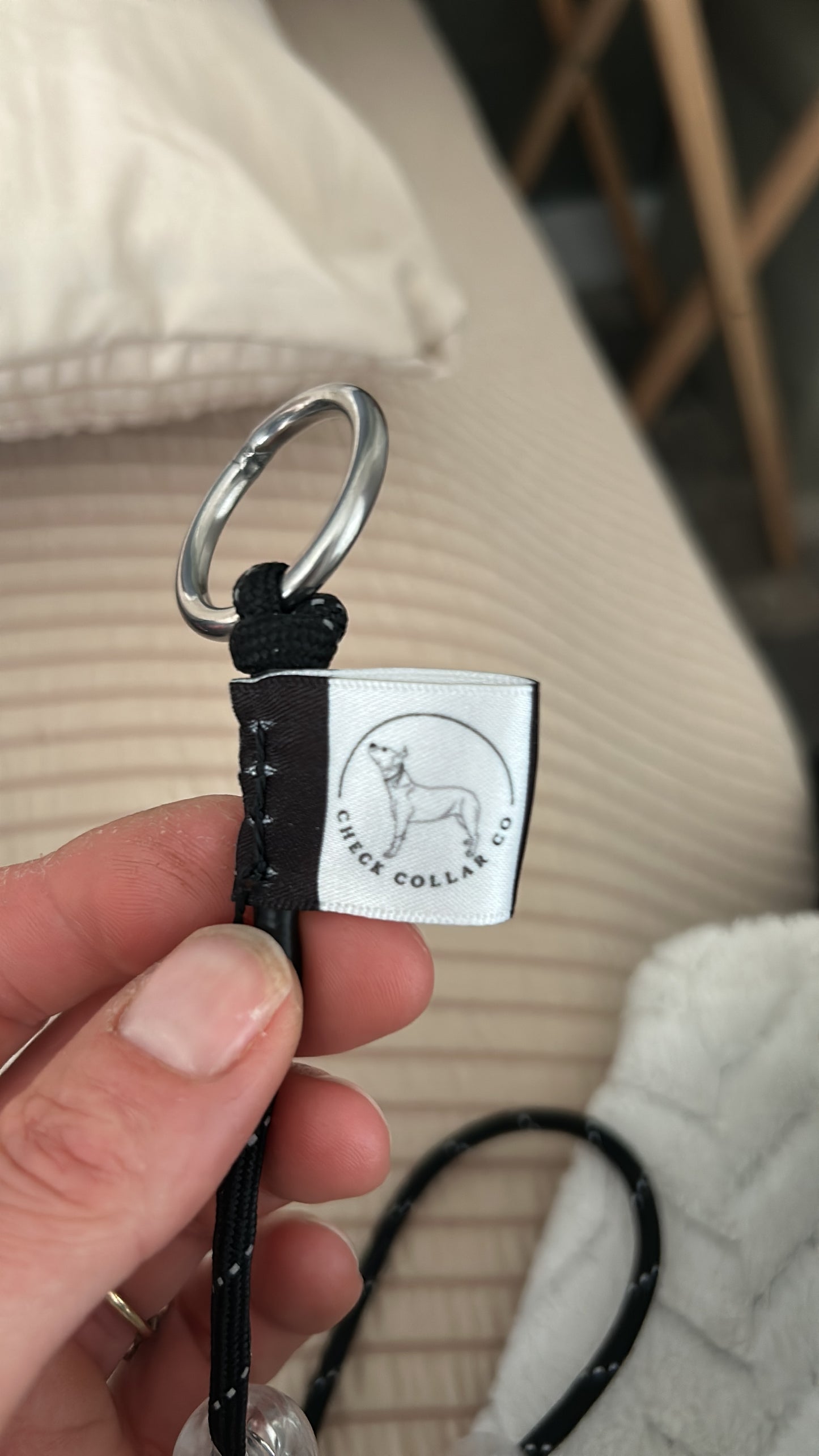
Orange Dog check collar / grot collar / slip collar / slip lead
Orange Dog check collar / grot collar / slip collar / slip lead
Shipping rates
Shipping rates
Shipping Rates:
- UK & Europe: £3.50 (€4), FREE on orders over £30
- Jersey: £3.50 flat rate
- USA: $10 USD
- Rest of World: Contact us for a quote
Estimated Delivery Times:
- UK: 1-2 business days
- Europe: 3-5 business days
- USA: 7-14 business days
Customs & Duties:
- UK/EU customers: All taxes included in your price
- USA & International: You may be responsible for customs fees or import duties
Tracking: All orders include tracking information sent to your email.
Couldn't load pickup availability
A slip collar, also known as a grot collar or training collar, is a tool used primarily for training dogs. When used correctly, it can be effective for teaching proper behaviour. Here’s a step-by-step guide on how to use a slip collar safely and effectively.
1. Understanding the Slip Collar - A slip collar tightens when the dog pulls on the leash, providing a corrective action. It trains dogs to walk calmly on a leash without pulling. The collar slips or tightens when tension is applied to the leash, which should be momentary and released when the dog stops pulling.
2. Applying the collar - Slip the collar over the dog’s head, ensuring that it is positioned high on the neck.
The live ring (the O ring attached to the leash) should be on the side closest to you, and the dead ring (the one that controls the slack) should be on the opposite side. This ensures the collar loosens when the dog stops pulling.
The collar should rest high on the dog’s neck, just behind the ears. When loose, it should comfortably sit at this position without falling down the neck. The collar must not be used when the plastic cord stopper is not in place holding the collar high on the dogs neck.
3. Suitable use guidelines - Attach the leash to the live ring of the collar. Keep the leash short but with some slack, allowing the collar to release when the dog is walking correctly.
- Long Lines: It is important to use your grot with a short, fixed lead and it should never be used with a long line attached.
- Reinforcement: Praise and reward your dog when they walk beside you without pulling. The slip collar should be used as a training tool, not a constant corrective measure.
5. Safety Guidance - Never leave a dog unattended with a slip collar on, as it can tighten and cause choking. If you’re unfamiliar with slip collars, consider consulting a professional dog trainer to ensure you’re using it correctly and humanely.
6. Maintenance - Inspect the collar regularly for signs of wear. Replace the collar if it shows any damage.
By following this guide, you can use a slip collar effectively to train your dog to walk on a leash without pulling, improving both your dog’s behaviour and your walking experience.
Share